A small roof leak can feel easy to ignore—especially if it only shows up during heavy rain or leaves a tiny stain on the ceiling. But in New Jersey, where homes deal with constant weather swings (snow, ice, nor’easters, heavy spring rain, and humid summers), even a “minor” leak can quickly turn into a major repair.
Here’s what really happens when you put off fixing a small roof leak in NJ—and why catching it early can save you thousands.
1) Small Roof Leaks Usually Don’t Stay Small
Most roof leaks start as a small opening: a lifted shingle, cracked flashing, loose nail, torn vent boot, or a tiny gap near a roof penetration.
Once water finds a way in, it keeps taking the same path—every time it rains. The longer it continues, the worse the damage becomes behind the scenes.
NJ reality: Wind-driven rain and freeze-thaw cycles make small weak spots expand faster than most homeowners expect.
2) You Can End Up With Hidden Wood Rot (Even If You Don’t See Water Inside)
One of the biggest dangers of ignoring a small leak is rot. Water can soak into roof decking and rafters slowly over time, weakening your roof structure.
Even worse: rot often spreads before you ever notice a stain in the ceiling.
Signs wood rot might already be happening:
- Soft or sagging roof areas
- “Wavy” looking shingles
- Musty smell in attic
- Dark wood patches in attic
- Nails popping up or shingles slipping
Once structural wood is compromised, repairs get much more expensive.
3) Mold Growth Can Start Fast (And Spread Through the Home)
New Jersey’s humid weather is perfect for mold growth, especially when a roof leak introduces constant moisture into insulation, drywall, and framing.
Mold doesn’t just stay in one spot—it can spread through:
- Attic insulation
- Ceiling cavities
- Wall framing
- HVAC pathways in some homes
Why mold is a big deal:
- It impacts indoor air quality
- Can trigger allergies or respiratory issues
- Leads to drywall replacement and remediation costs
If you see brown ceiling stains, bubbling paint, or smell damp/musty odors—there’s a good chance moisture has been there longer than you think.
4) Your Insulation Gets Destroyed (And Your Energy Bills Go Up)
A common “invisible” cost of roof leaks is wet insulation. Once insulation gets soaked, it loses effectiveness and often needs to be replaced.
This can cause:
- Higher heating bills in winter
- Hot upstairs rooms in summer
- Uneven temperatures throughout the home
In NJ, that can mean months of wasted money because your home can’t hold temperature properly.
5) Leaks Can Damage Ceilings, Drywall, and Electrical Wiring
That small water stain on your ceiling is usually just the beginning.
As the leak continues, you may end up with:
- Ceiling collapse (in severe cases)
- Warped drywall and cracked seams
- Ruined recessed lights or fixtures
- Wet junction boxes and wiring risks
Important: If water is near lights, outlets, or an electrical panel—take it seriously. Shut off power to the area and call a professional.
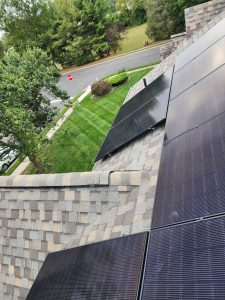
6) Leaks Around Solar Panels Can Be More Complicated
If your NJ home has solar panels, the leak could be related to:
- Improper flashing around mounts
- Old sealant failures
- Broken roof shingles under the array
- Roof aging and wear under attachments
Ignoring it can lead to damage under the system that’s harder to see and more expensive to access.
The right fix often involves a roofer who understands both roofing and solar detach-and-reset, so the leak is repaired correctly without risking the array.
7) You Might Void Your Roof Warranty (Or Lose Coverage Options)
Many roof warranties require the homeowner to handle issues promptly. If a roof leak is clearly present for months and causes interior damage, warranty coverage may be impacted.
Even homeowner’s insurance claims can become harder if the damage is viewed as long-term “maintenance neglect” rather than a sudden event.
Bottom line: the longer you wait, the more complicated it becomes.
8) What Starts as a $300–$800 Repair Can Turn Into Thousands
In many cases, a small leak could have been fixed with:
- Replacing a few shingles
- Resealing a vent boot
- Re-flashing a chimney or pipe collar
- Repairing a small section of roof decking
But if it spreads, you could be looking at:
- New plywood decking
- Mold remediation
- New insulation
- Drywall repairs + paint
- Structural framing repairs
- Full roof replacement sooner than planned
That’s how a “minor leak” becomes a full-blown renovation.
9) The Leak Might Not Even Be Coming From Where You Think
One tricky part about roof leaks is water travels.
A leak could start at:
- Chimney flashing
- Ridge vent
- Roof valley
- Skylight
- Plumbing vent
- Satellite mount or roof penetration
…but show up 10 feet away inside your home.
That’s why a professional roof inspection matters—guessing can lead to repeated issues and wasted money.
10) What NJ Homeowners Should Do If They Spot a Small Roof Leak
If you notice a stain, drip, or moisture, here’s a simple action plan:
✅ Step 1: Minimize damage immediately
- Put a bucket under the leak
- Move furniture away
- Take photos for documentation
✅ Step 2: Check the attic (if safe)
Look for:
- Wet wood
- Mold spots
- Damp insulation
- Water trails on rafters
✅ Step 3: Schedule a roof inspection ASAP
A professional can locate the source and recommend the correct repair—before it spreads.
Don’t Wait Until It Turns Into a Major Repair
Small roof leaks in NJ homes almost always get worse over time. With the weather conditions we deal with, the smartest move is to catch it early—before you end up with rot, mold, insulation damage, and bigger repair bills.
If you suspect a leak, it’s worth getting it inspected quickly so you can fix the root problem and protect your home. Give us a call for a free inspection!