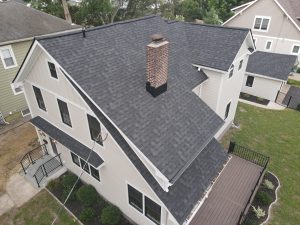
New Jersey’s changing seasons put constant stress on your roof. From harsh winters and coastal storms to heavy rain and summer heat, your roof is your home’s first line of defense. That’s why roof inspections in New Jersey are one of the smartest ways to protect your property and avoid costly repairs.
In this guide, we’ll explain what a professional roof inspection includes, why it’s so important for New Jersey homeowners, and when you should schedule one.
Why Roof Inspections Are So Important in New Jersey
New Jersey’s climate is uniquely hard on roofs. Homes here face:
- Snow, ice, and freeze-thaw cycles in winter
- Heavy rain and windstorms in spring
- Intense summer heat and UV exposure
- Hurricanes, Nor’easters, and tropical storms
These conditions slowly weaken roofing materials, often without visible signs from the ground. A professional roof inspection helps detect damage early—before it leads to leaks, mold, or structural problems.
What’s Included in a Professional Roof Inspection?
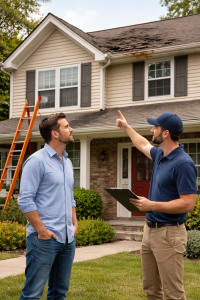
A thorough New Jersey roof inspection looks at much more than just missing shingles. Here’s what a qualified roofing professional will check:
1. Shingles and Roofing Materials
Your inspector will look for:
- Cracked, curled, or missing shingles
- Loose or lifted areas
- Granule loss and surface wear
- Signs of storm or wind damage
These are common problems after New Jersey winters and storms.
2. Flashing and Roof Penetrations
Flashing seals the areas around:
- Chimneys
- Vents
- Skylights
- Plumbing stacks
Damaged or loose flashing is one of the leading causes of roof leaks in New Jersey homes.
3. Gutters and Drainage Systems
Blocked or damaged gutters allow water to back up onto the roof, which can cause:
- Ice dams
- Shingle rot
- Fascia and soffit damage
Your inspection will include checking for proper drainage and secure attachments.
4. Roof Decking and Structure
Inspectors look for:
- Soft spots
- Sagging areas
- Signs of water infiltration
This step ensures the structure beneath your shingles is still strong and dry.
5. Attic and Interior Signs of Damage
Inside your home, professionals check for:
- Water stains
- Mold or mildew
- Wet insulation
- Poor ventilation
Many New Jersey roof problems start in the attic long before they’re visible outside.
Why Roof Inspections Save New Jersey Homeowners Money
Small roofing issues can turn into major expenses if ignored. A simple flashing repair or shingle replacement costs far less than repairing:
- Ceiling and drywall damage
- Mold growth
- Rotted wood
- Structural roof failure
Routine roof inspections help catch problems early and extend the life of your roof.
When Should You Schedule a Roof Inspection in New Jersey?
You should have your roof inspected:
- After major storms or heavy snowfall
- In the spring after winter damage
- In the fall before harsh weather returns
- If your roof is 10+ years old
- If you notice leaks, stains, or missing shingles
Most New Jersey roofing experts recommend at least one inspection per year.
Roof Inspections Also Protect Your Home’s Value
If you’re selling or buying a home in New Jersey, a roof inspection is essential. A damaged or aging roof can:
- Lower property value
- Delay closing
- Lead to renegotiations
A clean inspection gives buyers confidence and helps sellers avoid surprises.
Don’t Wait for a Leak to Check Your Roof
Many New Jersey homeowners don’t realize their roof is damaged until water starts dripping inside. By then, repairs are already expensive. Regular roof inspections give you peace of mind and help protect one of your biggest investments—your home.
If you haven’t had your roof inspected recently, now is the perfect time. Schedule your Free Inspection now!