If you’ve been thinking about going solar, one of the first questions that probably comes to mind is: how many solar panels do I actually need? The answer isn’t one-size-fits-all. It depends on your energy usage, your home, and even your local utility provider.
For homeowners in New Jersey, Delaware, and Eastern Pennsylvania, understanding this calculation is especially important because of varying electricity rates, incentive programs, and utility policies.
Let’s break it down in a way that actually helps you estimate your needs.
Start With Your Energy Usage
Before you even think about panels, you need to know how much electricity your home uses.
Check your electric bill and look for your annual kilowatt-hour (kWh) usage. If you don’t have a full year handy, multiply your average monthly usage by 12.
- Small homes: ~6,000–8,000 kWh/year
- Medium homes: ~9,000–12,000 kWh/year
- Large homes: 12,000+ kWh/year
This number is the foundation of your solar system size.
How Much Energy Does a Solar Panel Produce?
Most residential solar panels produce between 350–450 watts per panel.
In the Mid-Atlantic region (NJ, DE, Eastern PA), you can expect about:
- 1 panel ≈ 400–600 kWh per year
That number varies based on:
- Roof direction (south-facing is ideal)
- Shade from trees or nearby buildings
- System efficiency
Quick Estimate: How Many Panels Do You Need?
Here’s a simple way to estimate:
Annual energy usage ÷ production per panel = number of panels
Example:
- Home uses 10,000 kWh/year
- Each panel produces ~500 kWh/year
➡️ 10,000 ÷ 500 = 20 panels
Typical Range
Most homeowners in this region need:
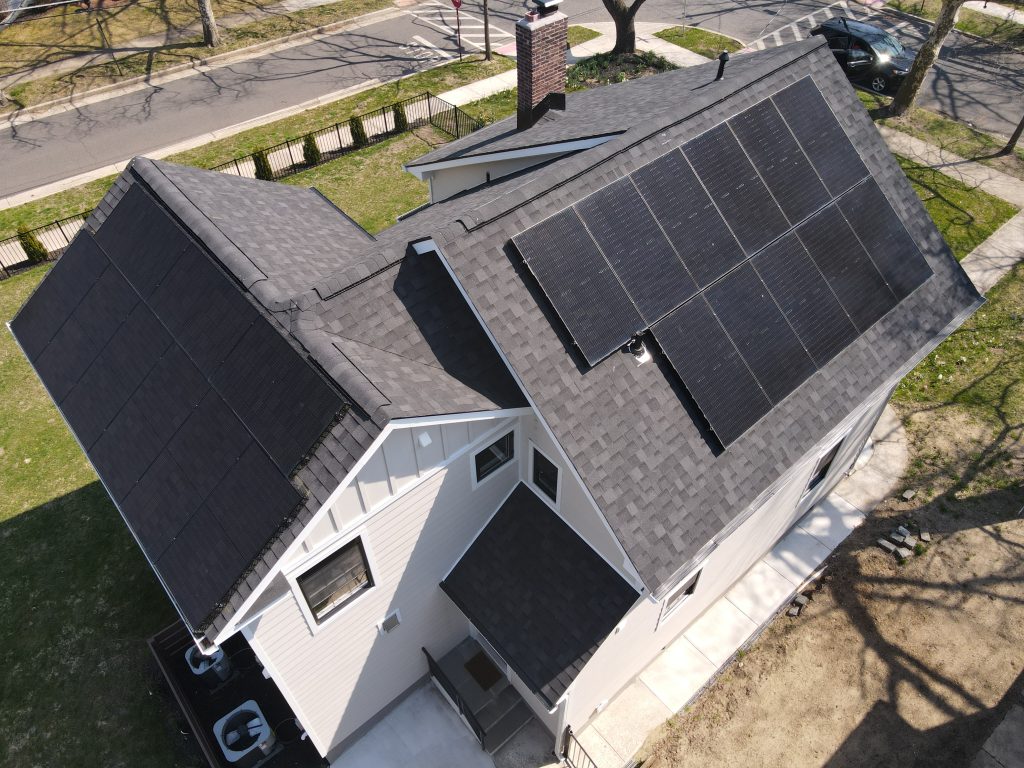
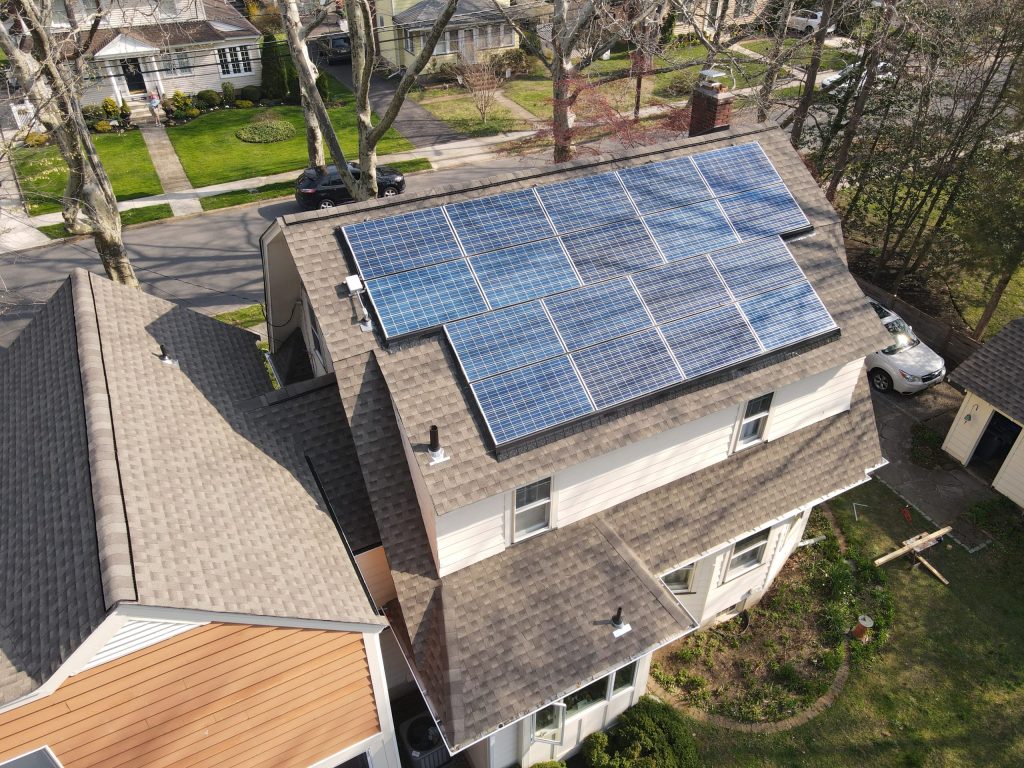
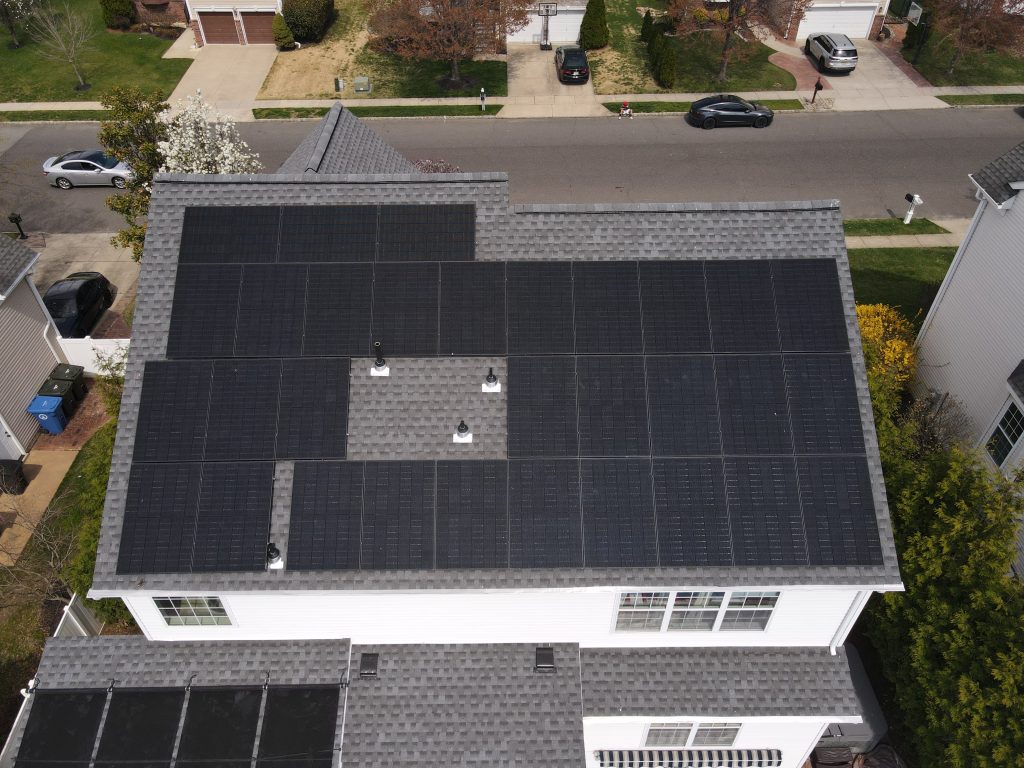
- 15 to 30 panels for full offset
Do You Want to Offset 100% of Your Bill?
Not everyone needs (or wants) to eliminate their entire electric bill.
You can design your system to cover:
- 50% of usage (smaller upfront cost)
- 75% of usage (balanced approach)
- 100%+ (maximum savings, possibly selling excess energy back)
Your decision may depend on your utility company’s net metering policy, which determines how you’re credited for extra power.
Why Your Utility Company Matters
Where you live plays a big role in how solar performs financially.
Homeowners in this region commonly receive electricity from:
- Public Service Electric & Gas (PSE&G) in New Jersey
- Atlantic City Electric (ACE) in southern NJ
- Delmarva Power in Delaware
- PECO Energy in Eastern Pennsylvania
Each utility has different:
- Electricity rates
- Net metering rules
- Interconnection requirements
For example, higher electricity rates generally mean faster solar payback, because each kWh your system produces is worth more.
Other Factors That Affect System Size
Even two homes with identical energy usage might need different system sizes. Here’s why:
1. Roof Space
If your roof is small or has multiple angles, it may limit how many panels you can install.
2. Sunlight Exposure
Shading can reduce production, meaning you may need more panels to hit your goals.
3. Panel Efficiency
Higher-efficiency panels produce more power in less space—but cost more upfront.
4. Future Energy Needs
Planning to:
- Buy an electric vehicle?
- Install a heat pump?
- Add a pool?
You may want a larger system now to avoid upgrading later.
What About Battery Storage?
If you’re also considering a battery, your system may need to produce more than your daily usage to store energy for nighttime or outages.
This is especially relevant if your utility has:
- Time-of-use rates
- Less favorable net metering
Incentives in NJ, DE, and PA
Solar incentives can significantly impact how much system you choose to install.
Homeowners in this region may qualify for:
- State-specific solar credits (like SRECs or similar programs)
- Local rebates or financing programs
These incentives can make a larger system more affordable than you might expect.
So… How Many Panels Do You Need?
Here’s the honest answer:
- Most homes: 15–30 panels
- Smaller homes or partial offset: 10–15 panels
- Large homes or all-electric households: 25–40+ panels
But the right number depends on your goals, not just your usage.
Final Thoughts
Figuring out how many solar panels your home needs isn’t just about math—it’s about how you live, how much energy you use, the amount of space on your roof, your homes orientation, and what you want your system to achieve.
If you’re in New Jersey, Delaware, or Eastern Pennsylvania, your utility provider, local incentives, and sunlight conditions all play a role in shaping the ideal system.
The best next step? Get a customized estimate based on your actual usage and roof conditions. That’s where solar really becomes personal—and where the numbers start to make sense.
Thinking about solar? Start with your electric bill—you already have the most important piece of the puzzle.